Picasso Creative Writing Method: To execute, communicate and share our "CREATIVE MISSION" as set out below - *Comprehensive Creative Creativity with curated articles, posts, blogs and studies from around the world that support or relate to this rich inter-disciplinary approach to sustainable life-long creations and imagination.
Our "Creative Mission" is to foster a rich, interdisciplinary dialogue that will convey and forge new tools and applications for creative, critical and philosophical thinking; engaging the world in the process. Through workshops, tutorials and social media platforms we also strive to entertain, educate and empower people - from individuals, to businesses, governments or not-for-profit groups; we aim to guide them in building a base of constructive ideas, skills and a Brain Fit paradigm - thereby setting the stage for a sustainable, healthy, and creative approach and lifestyle . These synthesized strategic "Critical Success Factors" - can then give rise to applied long-term life or business - Operating Living Advantages and Benefits.
And, at the same time, we encourage Charlie Monger's key attitude and belief - for and with all of whom we reach - " develop into a lifelong self-learner through voracious reading; cultivate curiosity and strive to become a little wiser (and more grateful)* everyday."
Disclaimer: The facts and opinions expressed within this article are the personal opinions of the author. Picasso Creative Writing does not assume any responsibility or liability for the accuracy, completeness, suitability, or validity of any information in this article.
In this fast-moving world, it's too easy to think that speed is the
answer to writing a book or building a career as an author. But
creativity doesn't work like that for everyone, and the joy of writing is in the journey, not the destination.
In today's article, Ginger Moran goes through the four stages of writing: Conceive, Create, Craft, and Connect.
For many of us, creativity and self-expression are fundamental to who
we are — we’ve been listening to and telling stories from way back.
And we aren’t the only ones who see story as essential. Freud saw it as central to human experience and used story as the means of healing wounded psyches.
Jung saw it as a way of dipping into the collective unconscious,
the stream of experience that underlies all of history and humanity.
And the Bible itself tells us that in the beginning was the word. So, if creativity is so fundamental to our being, what makes it so hard sometimes to write what we see in our minds?
Sometimes life gets in the way. And sometimes we get in our own way
by not understanding that there are stages to the process, which, like
any other natural stages, cannot be hurried or one put before the other.
I understand both ways of slowing down the process. I was a writer
with a PhD in creative writing and national publications and awards, a
professor of creative writing, and a mother of two young boys, when my
life changed utterly. I got divorced and my elderly father came to live
with me when he was diagnosed with cancer.
My full-time work turned into
quadruple time.
It was a hectic period, full of the kind of details and exhaustion
that take over your brain, and I pretty much couldn’t remember what
writing was, never mind do any of it
I took refuge in some old tricks I’d learned about writing even the
smallest amount on a daily basis and began to pile up the pages again.
And I also learned about the way writing works, in an organic process that resembles the stages of butterfly development.
I base the way I think about this now in a model that the author and
life coach Martha Beck originated. In the cycle of change model she
describes, people go through predictable stages of change much like a
butterfly does.
With her permission, I’ve applied these stages to writing a book. Our natural tendency when writing is to push when we should be
resting and to resist the difficulty when the process calls for
discipline.
Stage 1: Conceive
In the first stage of writing a book, which I call “Conceive,” you
are aware that there is an idea for a book, maybe, somewhere in your
head.
You aren’t sure—there are just glimpses of it from time to time.
Sometimes you think you’ll just go on with your life, and ignore this
pesky idea, and sometimes you are just gripped with the idea that you
have to capture the thoughts, bits of dialogue, the world that is
developing in your head.
You emerge from those times as if you’d been on a journey. Like the caterpillar, you have climbed into the chrysalis and begun the long process of disappearing into your book. And, like the caterpillar, you don’t want to look too closely at the process. Because, if your idea is actually like a caterpillar, it has melted
down into something unrecognizable. It seems impossible that this thing
that is unrecognizable could be a beautiful butterfly or a book.
What is important at this stage is not to disturb the process, to let it be a mess.
The mantra I suggest for this first stage is, “I don’t know what is going on with this book. And that’s okay.”
This isn’t the time to think about publication, or how good it is or
isn’t, or platform. Don’t think about what people will say. Because the
people who “ooh” and “ahh” over butterflies when they see them fully
formed would be appalled if they saw the goo that was inside the
chrysalis early in the process.
Stage 2: Create
The next stage is the draft writing stage, which I call “Create.” Here you are actively dreaming your book into being, writing that
terrible first draft, and it is still a genuine mess. That is what the
first draft needs to be.
When Anne Lamott, in Bird by Bird, talks about writing a really awful first draft
people often take that as permission to write badly, but what she is
really saying is that it HAS to be bad — or you might not get the real
lifeblood, the heartbeat.
I often tell people I’m working with that they need to make their
book worse — they need to pull off the prettiness, the need to please,
and go to the heart of the problem. They have to let their characters suffer. Because that is where the real story is.
The mantra for this stage is, “There are no rules to writing the first draft. And that’s okay.”
Stage 3: Craft
The next stage is the revision stage, which I call “Craft.” Here you will need to know the craft, apply it, test it, be willing to revise and revise until you have it right.
I have heard from best-selling mystery writer Mary Burton, who is
prolific, that she puts each book through seven revisions, from first
draft through several stages of developmental editing to address plot,
character development, and dialogue, to copyediting for coherence, to
proofreading for technical corrections, to one final read-through.
Although it is often the case that you have a good idea, if you don’t
know the craft, you are going to have to learn it. And when you’ve
learned it, you’ve going to have to practice it and be willing to fail — a lot.
It is easy to write and publish a book these days, but if you want it
to have lasting relevance and readership, one thing is required: it has
to be good.
Here the butterfly is struggling into being, doing the hard work of
taking her final form. Now is the time to embrace the difficulty of the
process, to buckle down and learn the craft, ask for and listen to good
critique, and revise and revise.
Although you can do this on your own, it is easier, faster, and more reliable with help.
My mantra for this stage, is, “This writing a good book is much harder than I thought. And that’s okay.”
Stage 4: Connect
And then comes the fourth stage: taking the book into the world.
For
many of us who love the dreaming and the drafting and who might even
get a kick of a hard revision process, the “Connect” stage of publishing
can be confusing and the marketing more of a challenge than we ever
dreamed.
For one thing, nothing ever seems to stay the same in the world of
publishing. But this has always been the way publishing has been — just
when the monks got good at copying manuscripts,
Gutenberg came up with
the printing press!
Change is at the very heart of the business and the ”golden days” of
publishing are just that — a dream and delusion that either never were
or lasted briefly.
When the butterfly emerges from the chrysalis, a whole new adventure and set of challenges
is ahead. It’s time to take full advantage of the good advice you’ve
gotten about publishing and platform, toughen up, and have a clear goal,
and pursue it. My mantra for this stage is, “Everything is changing in the world of publishing and marketing. And that’s okay.”
It’s a Natural Process
People often make the first two stages of conceiving and creating the
first draft much harder than they need to be by not understanding that
these are the stages of hands-off, self-compassionate acceptance of messiness and imperfection. And the last stages—the revision and the publication and
marketing—are by their very nature demanding, difficult stages that call
for self-discipline, craft, investment, resilience, and persistence.
In the natural course of things, my kids are grown and my dad gone.
Now I’m a full-time writer, speaker, and book mentor who has written
five novels, one collection of essays on being a single working mom, and
a nonfiction book.
We can make the seasons of our life and writing easier by
understanding their nature. I am and work with people doing the work of
book metamorphosis every day. The work is both challenging and
miraculous.
How do you approach the different stages of writing your books? Please leave your thoughts below and join the conversation.
Ginger Moran,
Ph.D., has published in salon.com, Oxford American, the Virginia
Quarterly Review, and many other journals and magazines. Her first
novel, The Algebra of Snow, was nominated for a Pushcart Editor’s Choice Award and published in 2012.
She is a certified Martha Beck Life Coach and KMCC Creativity Coach
and a member of the National Speakers Association Academy. She now works
full time as a writer, speaker, book mentor, and editor. Her book mentoring business, Creative Authority, is here to
help you write the story you have in your heart and mind and get it to
your readers. She offers teaching through her blog and a free strategy
call. You can sign up for either or both at her website.
Disclaimer: The facts and opinions expressed within this article are the personal opinions of the author. Picasso Creative Writing does not assume any responsibility or liability for the accuracy, completeness, suitability, or validity of any information in this article.
If we search on internet, we might come across various ways to improve on creative writing skills. Moreover, many of us want to enhance and develop creative writing skills for either one or more purposes. However, the toughest challenge for almost every writer is to start from a point. How many times has it happened that you get a great idea in mind, but when you turned on the computer to proceed, that idea had already forgotten.
To get around with this situation, we have created this guide to show you the best tips to grasp on the leading-edge creative writing skills. Read along to discover everything:
Freewriting
Think about the days when you learned how to ride a bicycle. You sat, stumbled on the paddles, the bicycle moved, and fell for a few times. But, then? You actually made it and learned how to ride a bicycle. Same is the case for writing. You have to start writing freely, without concerning about the grammar, punctuation, formatting, and more considerations. First, you need to understand the flow; once you achieve it, then you can consider the above-mentioned aspects.
Even the most experienced writers make mistake in the initial stages of their writing journey. This technique will allow your brain to declutter and start thinking about ideas that really make sense.
Create a Mind Map
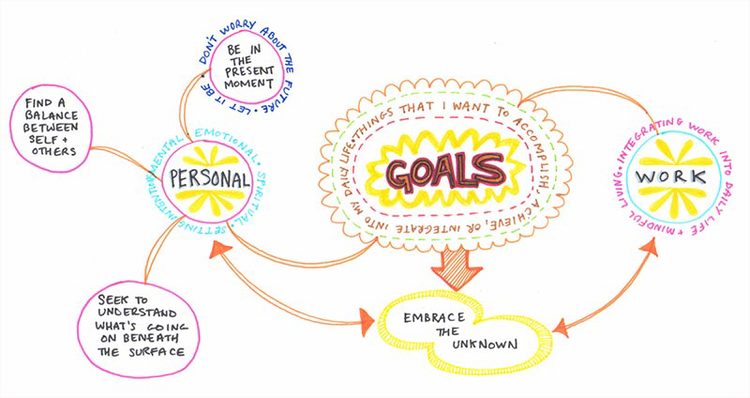
A large number of people are actually aware of mind mapping. The best way to describe mind mapping is outlining ideas in visual form. In essence, mind mapping follows personalized style rather than following what others are doing. You can start with colors. Once you learn how to write well, you can discover the best tools for authors that can help you in publishing. Get different colored pens, research keywords, and come up with relevant images about a specific topic.
You can note down a topic and idea without following any particular order. Afterwards, you can arrange them in an order. Then, you will have an order, and you will be ready to write.
Take Breaks
Writing is an overwhelming job, and can build stress, eventually putting a stop to creativity. In addition, such a situation can be even more daunting. To get around with this situation, you can take a break, go outside, play with your pet, and come back with a fresh mind. Interestingly, various ghostwriter for hire have confirmed about the necessity of breaks in the field of writing. However, some tasks are limited for specific time, but you need to understand the nature of this job.
Make Notes
Interestingly, innovation and creativity cannot be practiced; they come by their self out of nowhere. Many times, the best ideas come at inappropriate times. You should be well prepared to note down those ideas, rather than straining yourself to remember them later. You can keep a paper and pen at the corner of your bed, so that if you get a great idea just before falling asleep, you can note it down.
Moreover, you can utilize the notes app in your smartphone, tablet, or laptop to keep a record of a great idea. These apps can come into handy in collecting information from different resources. Ranging from pictures, webpages, to crucial information, everything is recorded for hassle-free access.
Feel Good Write Good
Writing is more of an art. The happier you are, better you write. Feeling bad, depressed, or anxious will make your writing worst. Rather than having a “poor me” attitude, try to feel good and be grateful for everything you have. This will make you write better. In essence, feeling good and expressing gratefulness can create positive energy in you, making you happier and relaxed, leading to superior writing.
In reality, when you start to feel good, you ultimately come up with creative ideas. Interestingly, success of a marketing campaign depends on your creativity and writing skills. Moreover, the more creative you are towards writing, you become well in blogging, writing, socializing, and communicating with clients.
Once you learn how to trigger your creative juices flowing, it will affect how your work life and people working around you. You can be more creative through brainstorming, taking break, playing around, socializing, and taking risks.
Playing Around
In reality, children are among the most creative living being on earth. You can fetch a page from a child’s notebook and create an environment where people can get crazy to work. For instance, you can purchase wall covering and feel free to paint on it anytime. It will ignite a sense of creativity in you, allowing you to project your ideas onto it.
Brainstorm
Different people get together after a period for brainstorming. However, the prime rule for such brainstorm meeting is that there should be actually no bad idea. You should know about a specific topic such as cost saving on different office items, or how to rescue a client from a situation where he is about to jump ship.
You should begin writing down on that wall covering. The moment when everyone feels free to share their ideas, you will be amazed with the outcomes. When the ideas start to come into bigger picture, synergy will occur. Every person will appreciate others idea and bring in improvement in it. Though some people consider it as time wasting activity, but in reality, brainstorming is a time saving and benefiting activity for your business.
Collaboration
You can follow up on the brainstorming meet ups. The teams can vary from either two to five people who can work on the ideas uncovered during brainstorming sessions. These people can make these ideas work. You can have a meeting again with the team for progress report, keeping the creative juices flowing.
Interestingly, you can collaborate with others in person or virtually, through using one of the available online tools, saving both time and money. This will help you in coming up with more creative ideas for writing.
Risk Taking
To succeed in the past-paced world in any of the activities, you need to take risk. If you are uncertain or afraid to take risk, then you might fail to come up with enthusiasm or excitement towards work. These are the things to fuel up your creativity and goals.
To address risk-taking ability, many companies even give award to employees who failed at something that they tried to achieve. If you work in a company, you can suggest them about these approaches, they will help them in making writers more productive and creative.
Find Creativity in Yourself Rather than TV or Social Media
In case, you are addicted to TV or social media, then you are training your mind to come up with ideas only through these channels. Thus, you can try disconnecting from these channels, dare to think differently, forget to be like anyone else, be yourself, and come up with a fantastic idea.
You can know your roots i.e. discover more about your historic culture. In this way, you will be able to know more about perspective. However, this does not mean that you should limit yourself to some traits, as there are various things you can be interested in. But, when you know where you came from, you are prepared to know what direction you should go.
Final Words
We have revealed the best tips to adapt killer writing skills. If you know about more skills, then feel free to mention them and add value to this article.
BAD HABITS TO AVOID
Kristen Ford
Kristen Ford is a professional writer at Bookwriting INC, She loves to write about the leading Bookwriting trends and diverse ranging topics. At times when Kristine is not busy writing, she can be found searching about foodies stuff.
Disclaimer: The facts and opinions expressed within this article are the personal opinions of the author. PIcasso Creative Writing does not assume any responsibility or liability for the accuracy, completeness, suitability, or validity of any information in this article.
This gentle form of exercise can help maintain strength, flexibility, and balance, and could be the perfect activity for the rest of ...
Inspirations of passions
Make your interests gradually wider and more impersonal, until bit by bit the walls of the ego recede, and your life becomes increasingly merged in the universal life. An individual human existence should be like a river — small at first, narrowly contained within its banks, and rushing passionately past rocks and over waterfalls. Gradually the river grows wider, the banks recede, the waters flow more quietly, and in the end, without any visible break, they become merged in the sea, and painlessly lose their individual being.