Creative Mission

COMPREHENSIVE CREATIVE CREATIVITY

Our "Creative Mission" is to foster a rich, interdisciplinary dialogue that will convey and forge new tools and applications for creative, critical and philosophical thinking; engaging the world in the process. Through workshops, tutorials and social media platforms we also strive to entertain, educate and empower people - from individuals, to businesses, governments or not-for-profit groups; we aim to guide them in building a base of constructive ideas, skills and a Brain Fit paradigm - thereby setting the stage for a sustainable, healthy, and creative approach and lifestyle . These synthesized strategic "Critical Success Factors" - can then give rise to applied long-term life or business - Operating Living Advantages and Benefits.

And, at the same time, we encourage Charlie Monger's key attitude and belief - for and with all of whom we reach - " develop into a lifelong self-learner through voracious reading; cultivate curiosity and strive to become a little wiser (and more grateful)* everyday."


* CCC Added - Editor

Search This Blog

Showing posts with label #Memory #BRAINFIT #SLEEP #DIET #NEUROLOGY #EXERCISE #MUSIC. Show all posts

Thursday, 7 March 2019

#BrainCare: AA's Terrible Failure Rates - Estimated Over 90%


How a pseudoscientific, religious organization birthed the most trusted method of addiction treatment

Image result for aa

"
Peer reviewed studies peg the success rate of AA somewhere between five and 10 percent,” writes Dodes. “About one of every 15 people who enter these programs is able to become and stay sober.”

The Surprising Failures of 12 Steps


Say you’ve been diagnosed with a serious, life-altering illness or psychological condition. In lieu of medication, psychotherapy, or a combination thereof, your doctor prescribes nightly meetings with a group of similarly afflicted individuals, and a set of 12 non-medical guidelines for recovery, half of which require direct appeals to God. What would you do?


Image result for 12 step programs fail


Especially to nontheists, the concept of “asking God to remove defects of character” can feel anachronistic. But it is the sixth step in the 12 Steps of Alcoholics Anonymous—the prototype of 12-step facilitation (TSF), the almost universally accepted standard for addiction-recovery in America today.
From its origins in the treatment of alcoholism, TSF is now applied to over 300 addictions and psychological disorders: drug-use, of course (Narcotics Anonymous), but also smoking, sex and pornography addictions, social anxiety, kleptomania, overeating, compulsive spending, problem-gambling, even "workaholism."
Although AA does not keep membership records—the idea being pretty antithetical to the whole “anonymity” thing—the organization estimates that as of January 2013, more than 1 million Americans regularly attended meetings with one of roughly 60,000 groups. Dr. Lance Dodes, a recently retired professor of psychiatry at Harvard Medical School, estimates about 5 million individuals attend one or more meetings in a given year. Indeed the 12-step empire is vast, but Dodes thinks it’s an empire built on shaky foundations.


LEARN MORE

THE TRUTH ABOUT 12 STEPS


Did you enjoy this post? Sign up for our "Picasso Creative Writing Newsletter" to get the TOP monthly posts, articles, reports and studies, like this.


Disclaimer: The facts and opinions expressed within this article are the personal opinions of the author. Picasso Creative Writing does not assume any responsibility or liability for the accuracy, completeness, suitability, or validity of any information in this article.


Tuesday, 5 March 2019

#BrainCare ANY #EXERCISE GREAT FOR #AGING BRAIN


Summary: According to researchers, older people who participate in short burst of physical activity, at any intensity, experience a boost in brain health.
Source: University of Western Ontario.


Image result for dementia brain

Older adults who engage in short bursts of physical activity can experience a boost in brain health even if the activity is carried out at a reasonably low intensity, according to a new Western study.

Researchers from School of Kinesiology and Graduate Program in Neuroscience have demonstrated that bouts of aerobic exercise, as brief as 10 minutes, enhances cognitive function of older adults. They also found that these benefits could be realized by those previously encouraged not to exercise.

The study, which included 17 older adults with an average age of 73, put participants through aerobic tests at moderate, heavy and very heavy levels of exercise intensity, and had them complete a pre- and post-exercise task to measure executive function.

people riding bikes

The key finding of the study was that the boost in executive function was experienced by subjects at a variety of levels of exercise intensity.


LEARN MORE 

 HAPPY CORTEX FITNESS 


Did you enjoy this post? Sign up for our "Picasso Creative Writing Newsletter" to get the TOP monthly posts, articles, reports and studies, like this.


Disclaimer: The facts and opinions expressed within this article are the personal opinions of the author. Picasso Creative Writing does not assume any responsibility or liability for the accuracy, completeness, suitability, or validity of any information in this article.


Monday, 4 March 2019

#BrainCare: DEEP #SLEEP KEY TO #BRAIN HEALTH

Summary: Study reinforces and explains the links between sleep deprivation and neurodegenerative diseases, researchers say.

Source: University of Rochester Medical Center.

Image result for deep sleep

Not All Sleep is Equal When it Comes to Cleaning the Brain


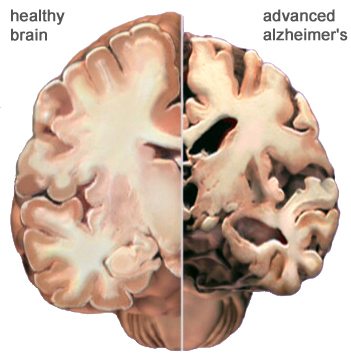
New research shows how the depth of sleep can impact our brain’s ability to efficiently wash away waste and toxic proteins. Because sleep often becomes increasingly lighter and more disrupted as we become older, the study reinforces and potentially explains the links between aging, sleep deprivation, and heightened risk for Alzheimer’s disease.

“Sleep is critical to the function of the brain’s waste removal system and this study shows that the deeper the sleep the better,” said Maiken Nedergaard, M.D., D.M.Sc., co-director of the Center for Translational Neuromedicine at the University of Rochester Medical Center (URMC) and lead author of the study. “These findings also add to the increasingly clear evidence that quality of sleep or sleep deprivation can predict the onset of Alzheimer’s and dementia.”

Image result for dementia brain


The study, which appears in the journal Science Advances, indicates that the slow and steady brain and cardiopulmonary activity associated with deep non-REM sleep are optimal for the function of the glymphatic system, the brain’s unique process of removing waste. The findings may also explain why some forms of anesthesia can lead to cognitive impairment in older adults.

The previously unknown glymphatic system was first described by Nedergaard and her colleagues in 2012. Prior to that point, scientists did not fully understand how the brain, which maintains its own closed ecosystem, removed waste. The study revealed a system of plumbing which piggybacks on blood vessels and pumps cerebral spinal fluid (CSF) through brain tissue to wash away waste. A subsequent study showed that this system primarily works while we sleep.


LEARN MORE

PREVENTION STRATEGIES


Did you enjoy this post? Sign up for our "Picasso Creative Writing Newsletter" to get the TOP monthly posts, articles, reports and studies, like this.


Disclaimer: The facts and opinions expressed within this article are the personal opinions of the author. Picasso Creative Writing does not assume any responsibility or liability for the accuracy, completeness, suitability, or validity of any information in this article.


Tuesday, 26 February 2019

Want a Better #Brain? Learn #Music.


Want to 'train your brain'? Forget apps, learn a musical instrument

Musical training can have a dramatic impact on your brain’s structure, enhancing your memory, spatial reasoning and language skills 

Image result for the beatles

The multimillion dollar brain training industry is under attack. In October 2014, a group of over 100 eminent neuroscientists and psychologists wrote an open letter warning that “claims promoting brain games are frequently exaggerated and at times misleading”. Earlier this year, industry giant Lumosity was fined $2m, and ordered to refund thousands of customers who were duped by false claims that the company’s products improve general mental abilities and slow the progression of age-related decline in mental abilities. And a recent reviewexamining studies purporting to show the benefits of such products found “little evidence ... that training improves improves everyday cognitive performance”.
While brain training games and apps may not live up to their hype, it is well established that certain other activities and lifestyle choices can have neurological benefits that promote overall brain health and may help to keep the mind sharp as we get older. One of these is musical training. Research shows that learning to play a musical instrument is beneficial for children and adults alike, and may even be helpful to patients recovering from brain injuries.
Image result for beethoven

Playing a musical instrument is a rich and complex experience that involves integrating information from the senses of vision, hearing, and touch, as well as fine movements, and learning to do so can induce long-lasting changes in the brain. Professional musicians are highly skilled performers who spend years training, and they provide a natural laboratory in which neuroscientists can study how such changes – referred to as experience-dependent plasticity– occur across their lifespan.

READ MORE


Image result for the guardian logo

LEARN MORE


Did you enjoy this post? Sign up for our "Picasso Creative Writing Newsletter" to get the TOP monthly posts, articles, reports and studies, like this.

Disclaimer: The facts and opinions expressed within this article are the personal opinions of the author. Picasso Creative Writing does not assume any responsibility or liability for the accuracy, completeness, suitability, or validity of any information in this article.


Monday, 25 February 2019

The #Science Behind #Yoga and #Stress


What does bending your body into yoga poses do to your brain chemistry and nerve connections?


Image result for funny yoga pics


By Dr M Storoni MD PhD 

There are two functional parts of the brain that play a key role in stress. These serve the functions of emotion and cognitive function. So I am calling them the ’emotional’ brain (amygdala and its connections and medial forebrain structures including the medial prefrontal cortex) and the ‘logical’ brain (the dorsolateral prefrontal cortex, other parts of the prefrontal cortex, parts of the cingulate cortex and parts of the hippocampus).
The emotional brain is able to initiate a ‘stress response’ via the sympathetic nervous system which culminates in adrenaline and cortisol racing through our circulation.The logical brain is always trying to ‘turn-off’ this stress response and it is also trying to restrain the emotional brain. The stronger our logical brain, the better it becomes at doing these two things. When the stress response is ‘turned off’, our parasympathetic nervous system signal is ‘turned on’. This signal ‘relaxes’ the body. So a strong logical brain goes hand in hand with relaxation.

Everytime we are holding a posture our logical brain is being activated

“Everytime we are holding a posture our logical brain is being activated”

The stress response and ‘relaxing’ signals travel through the body along a particular route and parts of this route have little ‘switches’ which we can physically manipulate to turn the signals on or off. The neck is an example of where such switches are located (by the carotid arteries).


LEARN MORE


Did you enjoy this post? Sign up for our "Picasso Creative Writing Newsletter" to get the TOP monthly posts, articles, reports and studies, like this.

Disclaimer: The facts and opinions expressed within this article are the personal opinions of the author. Picasso Creative Writing does not assume any responsibility or liability for the accuracy, completeness, suitability, or validity of any information in this article.


Thursday, 21 February 2019

#BrainCare: #Exercise Gives Older Men a Better #Brain Boost

Neuroscience News logo

Summary: According to a new study, men have a stronger positive correlation between cardiorespiratory fitness and brain function as they age.
Source: American Physiological Society.


Image result for OLD MEN EXERCISING CARTOON


Cardiorespiratory fitness is the measure of how much–and how well–oxygen is delivered to the muscles during exercise. Fitness level has also been associated with changes in the brain’s nerve-rich tissue, called gray matter, and better cognitive function in later life. Previous studies have also found cardiorespiratory fitness to be related to how the brain functions during periods of rest. Nerve connectivity in the brain during rest changes with age. These changes can negatively affect cognitive function. However, “the neural basis of sex differences in the relationship between fitness and brain function in older adults has not been directly explored,” wrote researchers from York University and McGill University in Canada.

The research team studied one group of men and one of women, both with an average age of 67. The volunteers self-reported their typical daily physical activity level. The research team recorded the participants’ height, weight, age, sex and resting heart rate to determine their cardiorespiratory fitness. They also administered imaging tests of the brain to record nerve function both within specific brain networks (local efficiency) and among all networks (global efficiency).

man walking a dog

The men were found to have higher cardiorespiratory fitness levels than the women. NeuroscienceNews.com image is in the public domain.


LEARN MORE


Did you enjoy this post? Sign up for our "Picasso Creative Writing Newsletter" to get the TOP monthly posts, articles, reports and studies, like this.


Disclaimer: The facts and opinions expressed within this article are the personal opinions of the author. Picasso Creative Writing does not assume any responsibility or liability for the accuracy, completeness, suitability, or validity of any information in this article.


Monday, 18 February 2019

#Brain Fitness Market #Outlook to 2028


Analysis and Forecasts by AttenGo Ltd., Nintendo, CogniFit , NEEURO


It has been reported that the brain slowly deteriorates as a person ages with the senses, memory and cognitive thinking abilities being affected the most. The deterioration of functions of the brain was explained by the loss of brain plasticity. Brain plasticity is the capacity of the nervous system to change its neural structure in reaction to environmental challenges. However research conducted in the last few years revealed that the brain retains the ability undergoe changes in size and shape in response to stimulation. Brain fitness is an umbrella term for techniques and strategies such as mental and cognitive training, neuroplasticity, neurogenesis, brain vascularization and others which are useful in keeping the brain fit. These are a set of mental exercises to sharpen the senses, memory and attention.

Brain Fitness Market: Drivers and Restraints


Image result for aging population cartoon
The burgeoning demand for brain fitness generated owing to increasing incidence of ADHD, learning disorders, memory loss, brain injury and others is driving a large market. According to the The A.D.D. Resource Center, Inc., 12.9 percent of men and 4.9 percent of women will be diagnosed with the attention disorder at some points in their lifetimes, with the prevalence of attention disorder being 4 percent of American adults over the age of 18. The American Psychiatric Association estimates that 5% of children have ADHD, while the Centers for Disease Control and Prevention (CDC) estimates that 11% of U.S. children aged 4 to 17 suffer from ADHD.
The growing ageing population is another driver of the market. The number of people aged 60 years or older is expected to rise from 900 million to 2 billion between 2015 and 2050, representing a growth from 12% to 22% of the total global population, according to recent World Health Organization report. The prosperous baby boomer population of U.S. is another driver for the market owing to their desire to delay dementia and mental disorders. Thus a large market is well evident.
However the constraints such as lack of awareness, lack of experimental validation regarding the effectiveness and efficacy of the brain fitness therapy and opposition to clinical acceptance is hampering the brain fitness market. Actions by regulatory bodies such as the United States Federal Trade Commission (FTC) which sued companies selling “brain training” programs such as WordSmart Corporation and LearningRx, for deceptive advertising in 2015 is the greatest threat to the market.


LEARN MORE 


Did you enjoy this post? Sign up for our "Picasso Creative Writing Newsletter" to get the TOP monthly posts, articles, reports and studies, like this.


Disclaimer: The facts and opinions expressed within this article are the personal opinions of the author. Picasso Creative Writing does not assume any responsibility or liability for the accuracy, completeness, suitability, or validity of any information in this article.


Tuesday, 12 February 2019

#BrainCare: All About #Caffeine #Addiction and Withdrawal & How to Quit


Image result for be brain fit


Caffeine helps your focus and mood, but when the side effects outweigh the benefits, withdrawal symptoms make quitting hard. Learn what to do about it.

Created by Deane Alban | Reviewed by Patrick Alban, DC


distressed woman holding cup


Caffeine is the most widely consumed mood-altering substance on the planet. (1)
Billions of people start the day with a caffeinated drink — coffee, tea, yerba mate, energy drinks, or soda — depending on their age, custom and location.
You probably like the energy, drive, and focus that caffeine gives you.
You may savor the taste, the aroma, and the ritual of consuming your favorite caffeinated beverage.
But not everyone reacts the same to this very common stimulant.
Some people find that caffeine becomes something they need, rather than something they enjoy.
It becomes an addiction.
And like all addictions, quitting is tough and caffeine withdrawal has some unpleasant side effects.

Caffeine Addiction & Withdrawal: Recognized Psychiatric Disorders

Caffeine is so ubiquitous that it’s easy to forget it’s a psychoactive drug.
By definition, this means that caffeine changes brain function, mood, and behavior.
Caffeine readily enters the brain where it alters the activity of several neurotransmitters. (2)
It constricts blood vessels reducing blood flow to the brain.
It also changes the electrical activity of the brain, causing an increase in beta brain waves which are linked to a state of arousal. (34)
But is caffeine truly addictive?
To be considered addictive, a substance must meet certain criteria. (5)

Image result for ban coffee


Let’s see how caffeine stacks up against the three hallmarks of addiction: (6)

Dependence

You crave caffeine, spend a good deal of money on it, and arrange your day to acquire it.
How many trips to Starbucks have you made this week?

Tolerance

You need to keep consuming more caffeine to get the same effect.
Eventually you need it just to function normally.
Do you feel like you need caffeine to face the day?

Withdrawal

It’s hard to quit and you experience withdrawal symptoms if your caffeine consumption is interrupted.
Have you ever skipped your “normal dose” of caffeine? Or tried to quit? How’d that go?
Caffeine certainly seems to fit the bill as addictive.
The World Health Organization recognizes caffeine addiction as a clinical disorder. (7) READ MORE

LEARN MORE


Did you enjoy this post? Sign up for our "Picasso Creative Writing Newsletter" to get the TOP monthly posts, articles, reports and studies, like this.


Disclaimer: The facts and opinions expressed within this article are the personal opinions of the author. Picasso Creative Writing does not assume any responsibility or liability for the accuracy, completeness, suitability, or validity of any information in this article.
Top Monthly Posts

Inspirations of passions


Make your interests gradually wider and more impersonal, until bit by bit the walls of the ego recede, and your life becomes increasingly merged in the universal life. An individual human existence should be like a river — small at first, narrowly contained within its banks, and rushing passionately past rocks and over waterfalls. Gradually the river grows wider, the banks recede, the waters flow more quietly, and in the end, without any visible break, they become merged in the sea, and painlessly lose their individual being.


Bertrand Russel

WEBSITE

WEBSITE
Visit Us Today!